Short answer
To choose cast nylon sheet, first set the finished thickness of the part and the machining allowance, then pick the sheet size that minimises waste. Standard sheets come in 8 – 150 mm thickness and 1000 × 2000 mm or 1200 × 2400 mm formats. Ordering cut to size lowers both freight and machining costs.
Thickness and machining allowance
For a part with a milled surface, add a few millimetres of machining allowance to the finished size. An as-cast surface is enough for some applications; for parts that need precise assembly, choose face-milled sheet.
Size and waste
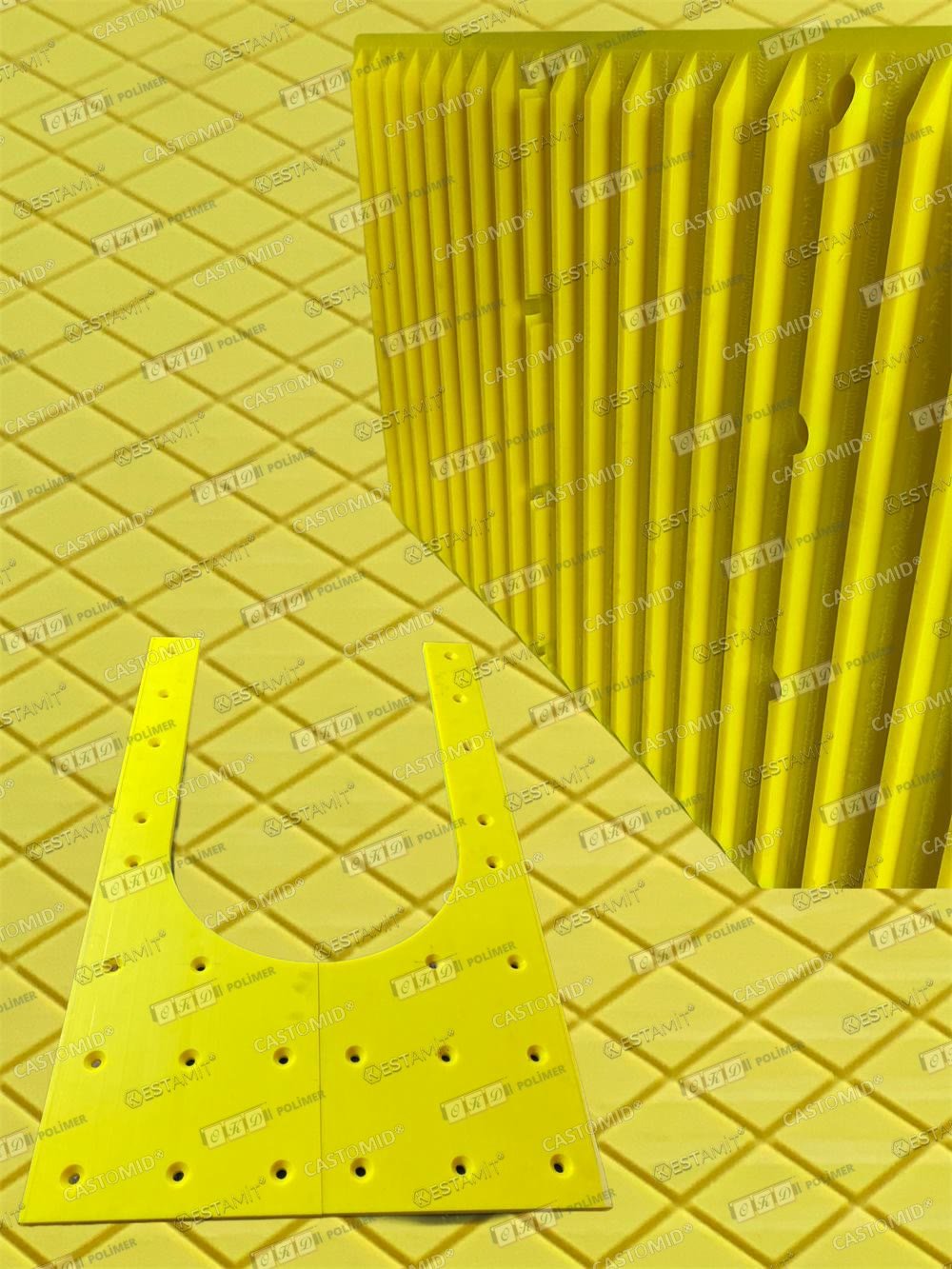
If many identical parts are to be cut, a nesting plan shows which size yields the most parts. We can make that plan for you and deliver blocks and strips at part size with our cut-to-size service.
- Thickness: 8 – 150 mm.
- Sheet size: 1000 × 2000 mm and 1200 × 2400 mm.
- Colours: natural, yellow, blue, black, oil-filled (green).
- Surface: as cast or milled.
Typical sheet applications
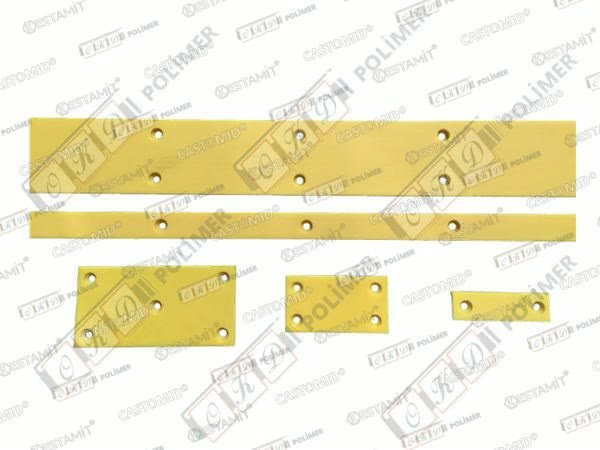
Sheet is most often made into wear plates, slide pads, conveyor side rails, cutting boards and crane outrigger pads. All details are on the cast nylon sheet page.
Why cast nylon is preferred for thick sheet is explained in cast vs extruded nylon.
Frequently asked questions
Do you make cast nylon sheet in special thicknesses?
Yes, non-standard thicknesses and sizes can be made to order; state your requirement in the quote form.
Can I cut the sheet in my own workshop?
Cast nylon cuts easily with circular saws, band saws and CNC milling. See tips in CNC machining of cast nylon.